

1. POPIS
Part no.: CF1604-XS
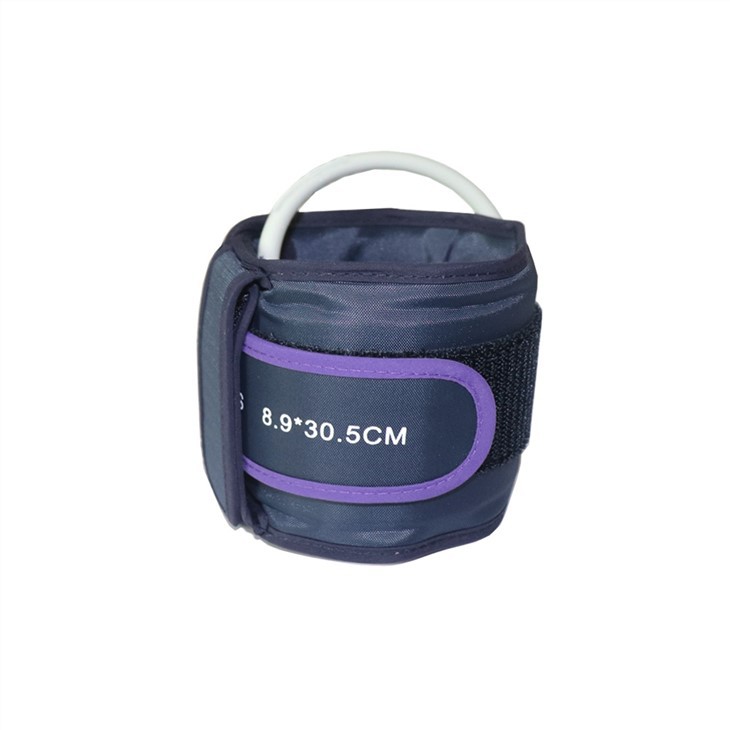
12" reusable Child Tourniqiet LW= 30589mm
Válcové turniketové manžety
Reusable Tourniquet Cuffs are a traditional reusable tourniquet cuff Manufactured from easy-to-clean, robust, latex free materials with additional safety straps for long-term use Perfectly suited to arm or small leg procedures and our most popular size reusable cuff • Designed for patient comfort • Latex free
Tourniquet used in procedures with the function of blocking blood flow. Use for Orthopedic operation, use with Hemostasis apparatus, mostly use for first aid. The pressure exerted by the tourniquet is sufficient to prevent arterial blood flow from the limb (upper or lower).

2. VLASTNOSTI
Barevné kódování
Pro snadnou identifikaci velikosti.
Ochranné návleky
Speciálně navrženo jako doplněk k turniketovým manžetám a pomáhá chránit pacienta před poškozením měkkých tkání.
90º Ports
Pomozte udržet hadice mimo místo chirurgického zákroku.
Vysoce kvalitní materiál
Vyrobeno bez použití přírodního latexu a PVC
odolné, vyrobené tak, aby vydržely jakékoli procedurální požadavky.
Otřete dezinfekci
Snížení odpadu díky opětovnému použití
Díky široké škále velikostí je snadné splnit i ty nejnáročnější procedurální potřeby.
3. OBRÁZEK


4. Postup přiložení turniketu
Anyone can apply a tourniquet. While you do not need any official or special medical certification or training, you do need to understand how to properly use one.
The first step you need to take in any emergency is calling 911 to alert emergency services. If someone else is with you, delegate the task of making the 911 call to them while you attend to the injured person.
(Tourniquets are for limb injuries and cannot be used for injuries to the head or torso. An injury to the head or torso requires the application of pressure with a material that can absorb blood to slow or stop bleeding.)
Using a tourniquet is only meant as a stop-gap measure to buy time while you wait for medical personnel to arrive. If a person is bleeding profusely and help is not nearby, they may bleed out before first responders can arrive and provide necessary medical care.
By applying a tourniquet, your goal is to restrict blood flow to the injured limb to prevent life-threatening blood loss. While constricting the limb to cut off its blood supply is a temporary measure, when done correctly it will slow or stop the bleeding enough to allow emergency responders time to arrive at the scene.
Najděte Zdroj
Before you apply a tourniquet, you need to determine the source of the bleed. In some cases, such as near or complete limb amputation, it may be obvious. Other injuries may not be visible at first, especially if there is debris, wreckage, tattered clothing, or other objects obstructing your view.
If possible, have the injured person lay down so you can assess them from head to toe. Try to stay calm and focused, as you will need to find the source of the bleeding as quickly as you can.
Aplikujte tlak
Once you have determined the source, start by applying direct pressure to the wound to control the bleeding. If the bleeding fails to slow or stop when pressure is applied, you will need to find (or fasten) a tourniquet.
If the injured person is conscious and alert, tell them that you will be applying a tourniquet to their injury. Unfortunately, the process of applying a tourniquet may be extremely painful, and the person is likely already in a great deal of pain. Let the person know that applying the tourniquet will hurt but that it may save the limb, if not their life.
Next, cut, tear, or otherwise remove any clothing near the wound. The tourniquet needs to be applied to bare skin.
Umístěte turniket
Position the cloth, towel, or other material to be used for the tourniquet on the limb several inches above the injury. You will want to position the tourniquet at the part of the limb that is closest to the heart. For example, if the injury is below the knee or elbow, you will need to tie the tourniquet above the joint.
Use a common square knot (like tying your shoelaces, but without making a bow) to tie the tourniquet around the limb. (The Red Cross recommends placing the tourniquet about 2 inches above the wound and never directly on a joint.)
Přidejte rumpál
You will need a stick or other item strong enough to act as a windlass. A windlass is a lever that can be used to twist the tourniquet tighter. Anything can be used as a windlass, as long as it is strong enough to hold the tourniquet and can be secured in place. Consider using pens or pencils, sticks, or spoons.
Place your windlass on the knot you've made, then tie the loose ends of the tourniquet around it using another square knot.
Otočením utáhněte
Begin twisting the windlass to increase the pressure. Keep an eye on the bleeding and make note of when it begins to slow. Continue turning the windlass until all the bleeding has stopped or is significantly reduced.
Once the bleeding has slowed or stopped, secure the windlass by tying one or both ends to the injured person's arm or leg.
Označte čas
Tourniquets can only be applied for certain periods of time—no longer than two hours. Therefore, it will be very important for first responders and medical staff who treat the injury to know when you applied the tourniquet.
If possible, mark a "T" with the date and time you placed the tourniquet on the person's forehead or another area highly visible to emergency personnel.
(Škrtidlo by nikdy nemělo uvolňovat ani odstraňovat nikdo jiný než lékař na pohotovosti.)
Populární Tagy: opakovaně použitelné dětské turnikety, Čína, výrobci, přizpůsobené, hromadné, koupit slevu, nízká cena, vysoká kvalita